
Hijab: Faith, Meaning, and the Right to Define Ourselves
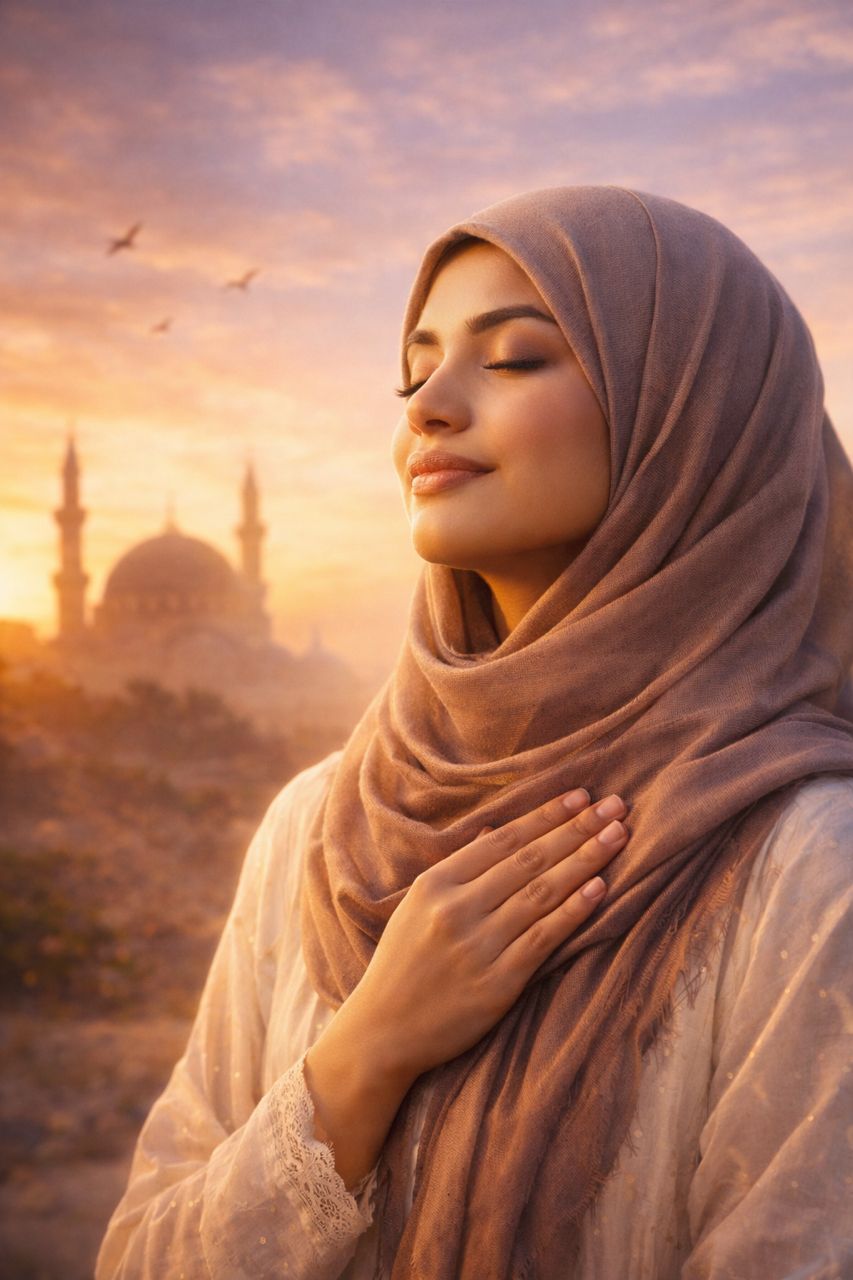
World Hijab Day
Every World Hijab Day, the same conversations return. Hijab is debated, analyzed, defended, and criticised, often without Muslim women at the centre. Too frequently, the hijab is discussed as a symbol, while the women who wear it are reduced to assumptions.
As a Muslim woman, I do not experience hijab as a theory. I experience it as faith lived daily.
In Islam, hijab is not merely a headscarf. The word itself means a covering, a barrier—but also a form of consciousness. It reflects an ethic of modesty that shapes how one dresses, speaks, behaves, and exists in the world. Hijab is about dignity before it is about fabric, intention before appearance.
I wear hijab because I believe it is an act of worship. A response to God, not to society. That choice is deliberate, thoughtful, and deeply personal. It is not made in ignorance of the challenges, nor in denial of the questions it attracts. It is made with awareness—and conviction.
Many Muslim women choose hijab for different reasons, but at its core, it is rooted in faith. For some, it is an outward expression of belief. For others, it’s a way of reclaiming their bodies from constant evaluation. What unites these experiences is agency, the right to choose devotion on one’s own terms.
Modesty in Islam is often misunderstood as a burden placed solely on women. In reality, it is a moral principle that applies to everyone. Islam calls both men and women to restraint, humility, and responsibility. Fixating only on women’s clothing misses the broader ethical vision that modesty represents.
Hijab is often framed as oppressive, especially in global narratives shaped by politics and history. The image of the “veiled woman” has long been used to speak about Muslim women rather than with them. Yet oppression is not found in cloth, it is found in coercion. Whether forcing hijab or forcing its removal, denying choice is what strips dignity.
This does not mean hijab is always easy. Some days it feels heavy, not because of faith, but because of how the world responds to it. Still, it remains a reminder that my worth is not measured by visibility or approval, but by sincerity and intention. Hijab is not about perfection; it is about striving. A quiet, daily commitment to live consciously before Allah.
Hijab is not one story. It is not a single experience or a universal feeling. It is lived across cultures, histories, and hearts, sometimes with strength, sometimes with struggle, always with meaning.
On World Hijab Day, the goal is not to convince everyone to see hijab the same way. It is simply to affirm this: Muslim women are capable of defining their own faith. Our voices matter. Our choices deserve respect.
Hijab, for me, is faith embodied.
It is not silence; it is intention.
Not submission to people, but devotion to God.
Written by:
Deputy Editor-in-chief
Adeniran Morenikeji Zainab
Website Designed by AAFAISOL, ©2025 All Rights Reserved.
Leave Your Comments